

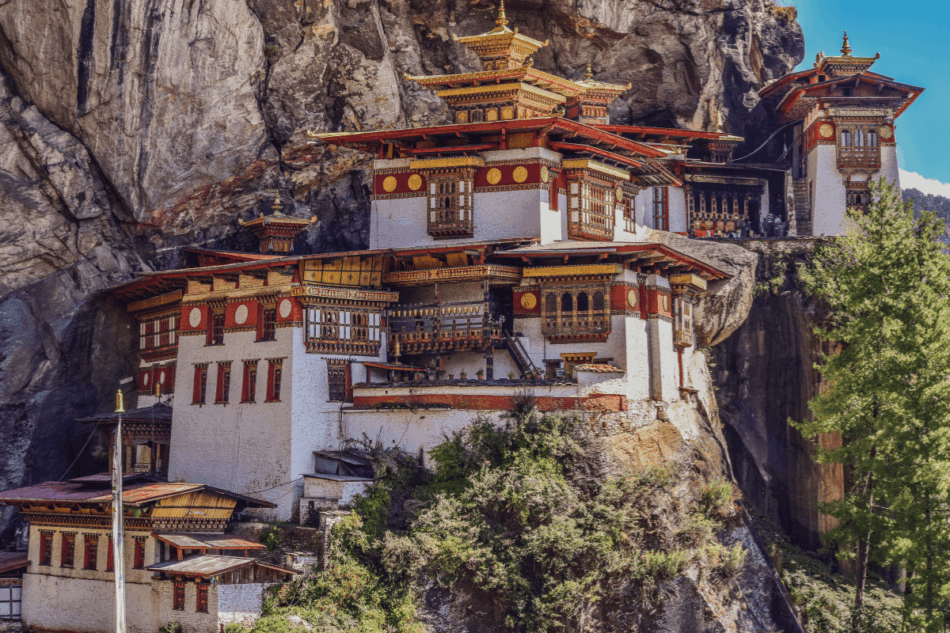
Bhutan is one of the world’s most captivating destinations, known for its snowcapped Himalayan ranges, monastery-dotted valleys, deep spirituality, commitment to Gross National Happiness (GNH), and centuries-old traditions that remain remarkably intact. Although Bhutan has only opened its doors to international tourism in the last few decades, it has quickly earned a reputation as a bucket-list destination for Australians seeking meaningful travel, nature, and cultural immersion.
If you’re planning to travel to Bhutan from Australia, you’re already choosing a journey that stands apart from typical holiday destinations. Bhutan’s tourism model is designed around sustainability. Visitors are encouraged and required, in fact, to explore the country with intention, respect, and environmental consciousness. The country sees tourism not as mass entertainment but as a tool to protect its natural and cultural heritage.This comprehensive guide covers everything you need to know before embarking on your adventure. From visa requirements to festival etiquette and altitude safety, these Top 10 Travel Tips will help ensure your Bhutan trip is smooth, enriching, and unforgettable.
Understanding Bhutan’s Unique Tourism Model
One of the most important things to understand before you travel to Bhutan from Australia is that independent travel is not permitted for foreign tourists. Bhutan has maintained a strict tourism policy since the 1970s, guided by the principle of “High Value, Low Volume”, which prioritises sustainable, meaningful tourism over mass arrivals.
What This Means for Australians
- All trips must be booked through a licensed Bhutanese tour operator or an international partner approved by Bhutan’s Tourism Council.
- Your entire itinerary including accommodation, domestic transport, guided tours, and activities must be arranged in advance.
- This structured approach ensures that tourists contribute positively to Bhutan’s culture, environment, and economy rather than creating strain on local resources.
Why Bhutan Does This
- Protect fragile ecosystems: Bhutan’s forests, rivers, and mountains are highly sensitive and require careful management.
- Preserve cultural integrity: The country’s monasteries, dzongs, and sacred traditions remain largely untouched by mass tourism.
- Manage tourism responsibly: Limiting visitor numbers reduces environmental impact and overcrowding.
- Support local communities: Tourism revenue directly benefits villages, artisans, and service providers.
This deliberate approach has helped Bhutan remain one of the most unspoilt and authentic destinations in Asia, offering travellers a genuinely unique and culturally immersive experience.
Visa Requirements for Australian Travellers
When you travel to Bhutan from Australia, obtaining a visa is straightforward because your licensed Bhutanese tour operator manages the entire application for you. Once you confirm your itinerary, make the required payments, and provide the necessary documents, the operator submits your visa request directly to Bhutan’s Department of Immigration.
Visa Process
- Provide a clear scanned copy of your passport (valid for at least six months).
- Finalise your tour itinerary and complete the necessary payments.
- Your tour operator submits the online visa application on your behalf.
- You’ll receive an official visa clearance letter via email.
- Your actual visa will be stamped into your passport upon arrival at Paro International Airport.
Documents Required
- Passport copy
- Recent passport-sized photograph
- Travel insurance (mandatory for all visitors)
- Confirmed tour itinerary
Australians typically receive visa approval within 5–7 business days once all requirements are met.
Entry Points
- Paro International Airport is the only international entry point into Bhutan.
- Overland entry from India is possible but less common for Australian travellers.
Booking Flights to Bhutan
There are no direct flights between Australia and Bhutan, so travellers typically connect through major Asian hubs before flying into Paro. Bhutan is served by two national carriers Druk Air (Royal Bhutan Airlines) and Bhutan Airlines which operate limited but reliable routes.
Most Australian travellers transit through Bangkok, Singapore, Delhi, Kolkata, or Kathmandu, where daily or several-times-weekly flights connect onwards to Paro. The approach into Paro Airport is famous for its dramatic Himalayan scenery, making the journey itself a memorable part of the trip.
Tip: Book early
Seats on Bhutan-bound flights are limited and sell out quickly during peak seasons and major festivals. To secure your preferred travel dates, it’s best to book your flights 3–6 months in advance.
Choosing a Licensed Bhutanese Tour Operator
Selecting the right tour operator is one of the most important steps when you travel to Bhutan from Australia, as all trips must be arranged through an accredited agency. A licensed Best Bhutan Travel Agency will manage the entire process for you, including visa applications, hotel bookings, domestic transport, licensed guides, cultural tours, trekking logistics, festival passes, and even internal flight arrangements.
When choosing an operator, look for official accreditation on Bhutan’s Department of Tourism website, clear and prompt communication, and the ability to customise itineraries to match your interests whether cultural exploration, trekking, photography, or spiritual travel. Transparent pricing and strong local expertise ensure your journey is smooth, meaningful, and aligned with Bhutan’s sustainable tourism principles.
Best Time to Travel to Bhutan from Australia
Bhutan experiences four distinct seasons, each offering its own atmosphere, scenery, and travel advantages. Understanding these differences helps Australian travellers choose the best time to visit based on their interests whether that’s trekking, photography, cultural events, or attending a Bhutan Festival.
Spring (March–May)
One of the best times to visit Bhutan, spring offers mild temperatures, clear days, and vibrant landscapes.
- One of the best times to visit
Weather is comfortable and stable, ideal for outdoor sightseeing. - Rhododendrons in full bloom
Hillsides come alive with colourful blossoms, especially in higher-altitude forests. - Perfect for trekking
Popular trekking routes like Druk Path and Dagala Thousand Lakes offer excellent conditions.
Autumn (September–November)
Autumn is the most popular season to travel to Bhutan from Australia due to its perfect blend of pleasant weather and major cultural events.
- The most popular season
Days are crisp, skies are clear, and visibility is excellent. - Clear skies, ideal mountain views
This is the best time for photography and viewing the Himalayas. - Many major Bhutan Festival events take place during this period
Iconic Tshechus like Thimphu Tshechu draw both locals and travellers.
Winter (December–February)
Winter is cold in the mountains, but it offers peaceful travel and unique wildlife opportunities.
- Cold but dry weather
Sunny days and cool air make sightseeing pleasant in lower valleys. - Fewer tourists
Perfect for travellers who prefer quieter experiences. - Snow in higher regions
Higher passes and monasteries look magical with fresh snow. - Great for photography and wildlife spotting in valleys
Black-necked cranes migrate to the Phobjikha Valley during this season.
Summer / Monsoon (June–August)
Summer brings monsoon rains, transforming Bhutan into a lush green paradise.
- Increased rainfall
Expect afternoon showers, especially in the southern and central regions. - Lush green landscapes
Rice fields, forests, and valleys are at their most vibrant. - Fewer crowds
Ideal for slow travellers and photographers who love dramatic cloudscapes.
Festival Travel
Many Australians choose their travel dates based on the timing of a Bhutan Festival, as these events offer deep cultural immersion and unforgettable experiences. Some of the most popular festivals include:
- Thimphu Tshechu (September/October)
One of the largest and most important festivals in the country. - Paro Tshechu (March/April)
Famous for the unveiling of a giant thangka (thongdrol) at dawn. - Jambay Lhakhang Drup (October/November)
Known for its fire blessing ceremony and midnight dance.
Because festivals attract both locals and international visitors, festival travel requires early booking often six months or more in advance. Securing flights, accommodation, and festival-viewing arrangements early ensures you get the best experience possible.
Experiencing a Bhutan Festival
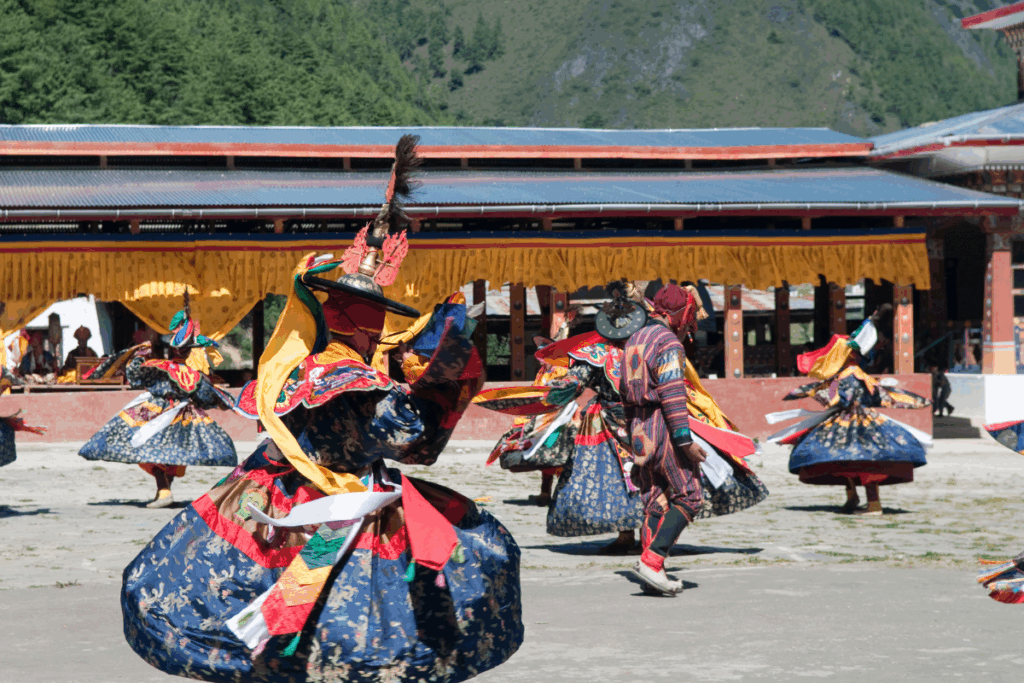
A Bhutan Festival (Tshechu) is one of the most unforgettable cultural experiences the country offers. Rooted in centuries-old Buddhist traditions, these festivals bring together religion, ritual, dance, art, costume, and community in a way that captivates both locals and visitors. Held annually in monasteries and dzongs across the country, each Tshechu is a vibrant expression of devotion and cultural identity. For many travellers, attending a festival provides rare insight into Bhutan’s spiritual life and its strong sense of community.
What Happens During a Bhutan Festival
Mask dances performed by monks and lay dancers
The heart of every Tshechu lies in its sacred mask dances, or cham. These dramatic performances reenact Buddhist legends, stories of Guru Rinpoche, and teachings about morality. Each movement carries symbolic meaning, believed to bring blessings and spiritual merit to the audience.
Colourful traditional costumes
Both performers and locals wear their finest attire. Men don gho, while women wear intricately woven kira. Vibrant colours and rich textiles create a striking visual tapestry across festival grounds.
Blessings and spiritual performances
Senior monks often perform rituals and blessing ceremonies. Visitors may receive blessings from religious relics or sacred objects displayed only during Tshechus.
Markets and local food stalls
Around the festival grounds, you’ll find pop-up stalls selling snacks, tea, handicrafts, and local delicacies. These markets create a lively, celebratory atmosphere enjoyed by families and travellers alike.
Deep community involvement
For Bhutanese communities, attending a Tshechu is a social and spiritual duty. Families gather, friends reunite, and generations come together to celebrate and receive blessings for the year ahead.
Tips for Attending a Festival
Dress respectfully (long sleeves, long pants or skirts)
Festivals are sacred, and modest attire is required. Your clothing should cover shoulders, arms, and legs.
Arrive early to get a good view
Popular festivals especially Paro and Thimphu Tshechus can draw large crowds. Early arrival ensures better seating and allows you to observe pre-ceremony rituals.
Follow photography guidelines some rituals cannot be photographed
While photography is permitted during many performances, certain dances or blessings are strictly off-limits. Always check with your guide before taking photos.
Listen to your guide for cultural etiquette
Your guide will advise you on where to sit, how to behave, and which traditions to observe. Following their lead ensures you respect local customs and fully appreciate the significance of the event.
What to Pack for Bhutan’s Seasons
Bhutan’s weather can vary dramatically depending on altitude, region, and time of year. One day may be sunny and warm in the valley, and the next could bring chilly winds or sudden rain in higher mountain passes. Packing wisely ensures comfort, adaptability, and respect for local customs throughout your journey.
Essential Items
Warm jacket (even in spring and autumn)
Temperatures can drop significantly in the mornings, evenings, and at higher altitudes. A medium-weight down or fleece jacket is ideal.
Comfortable walking shoes
You’ll spend a lot of time on foot, whether exploring monasteries, hiking scenic trails, or climbing to iconic sites like Tiger’s Nest. Choose sturdy, broken-in footwear.
Layers for unpredictable weather
Layering is key in Bhutan’s shifting climate. Pack long-sleeved tops, light sweaters, thermal wear (for winter), and breathable shirts for warmer afternoons.
Rain jacket (especially in summer)
If you’re travelling during the monsoon season (June–August), a good waterproof jacket is essential. Even outside monsoon, occasional showers can occur in the mountains.
Sunscreen and sunglasses (UV is strong at altitude)
Higher elevations mean stronger UV rays. Protect your skin and eyes during hikes, festival days, and long outdoor excursions.
Reusable water bottle
Most hotels offer safe filtered or boiled water. Bringing your own bottle helps reduce plastic waste and keeps you hydrated at altitude.
Power adapter (Type D, M, or G depending on hotel)
Bhutan’s power outlets can vary. Bring a universal adapter to charge your devices without hassle.
Cultural Attire Tips
Bhutan is a deeply spiritual country where temples, fortresses (dzongs), and monasteries hold profound cultural and religious significance. Dressing appropriately shows respect for local customs and helps you blend in more comfortably during your visit.
When visiting sacred sites:
- Wear clothing that covers shoulders and legs
Modesty is important. Long pants, midi/maxi skirts, and sleeved tops are appropriate and appreciated by locals. - Remove hats inside religious halls
Keeping your head uncovered is a sign of humility and respect. - Avoid revealing outfits
Tight, low-cut, or short clothing is discouraged in sacred spaces and traditional environments.
Your tour operator may also recommend additional attire based on your itinerary, especially if you’re attending a Bhutan Festival, trekking to high-altitude monasteries, or visiting rural villages where customs may be more traditional.
Health, Safety, and Altitude Tips
Bhutan is widely regarded as one of the safest countries in the world. Violent crime is exceptionally rare, and the Bhutanese people are known for their warmth, hospitality, and genuine kindness toward visitors. Even so, travellers should pay close attention to health considerations especially those related to altitude and the country’s mountainous terrain.
Altitude Awareness
Many Bhutanese destinations are located at moderate to high elevations, which may be unfamiliar for Australian travellers. Paro sits at around 2,200 metres, while Thimphu is slightly higher. When visiting regions such as Bumthang, the Haa Valley, Punakha’s mountain passes, or the scenic Dochula Pass, some travellers may experience symptoms of mild altitude discomfort.
Understanding how your body responds to altitude is essential for a smooth trip.
Tips to Acclimatise:
- Take the first day slowly
Allow your body time to adjust to the thinner air. Avoid strenuous hikes immediately upon arrival. - Hydrate frequently
Staying hydrated is one of the easiest ways to reduce altitude discomfort. Bring a reusable water bottle and sip water regularly throughout the day. - Avoid heavy meals initially
Opt for lighter dishes until you feel comfortable. Bhutanese cuisine is delicious but can be hearty, so take your time. - Get plenty of rest
Quality sleep helps your body acclimatise faster. Pace your activities and rest when needed. - Notify your guide if you feel dizzy or nauseous
Your guide is trained to identify altitude-related symptoms and can adapt the itinerary or assist you accordingly.
General Health Tips
Travelling in Bhutan is generally safe and comfortable, but being prepared ensures a healthier, more enjoyable trip.
- Bring basic medication
Pack essentials such as pain relievers, motion sickness pills, antihistamines, and stomach medication. Pharmacies exist in major towns, but brands may differ from those in Australia. - Eat cooked foods if you have a sensitive stomach
Most meals served to tourists are hygienic and freshly prepared. If you’re prone to stomach issues, stick to cooked dishes and avoid raw salads in remote areas. - Drink only boiled or filtered water
Hotels and restaurants typically provide safe drinking water. Avoid tap water and opt for boiled, filtered, or bottled water when necessary. - Carry travel insurance that covers emergency evacuation
Some trekking areas and remote valleys are far from major hospitals. Comprehensive insurance is essential and is required for your visa application. - Prepare for winding roads
Bhutan’s roads curve through mountains, rivers, and valleys, offering beautiful scenery but sometimes causing motion sickness. If you’re prone to it, take medication before long drives.
Money, Budgeting, and the Sustainable Development Fee (SDF)
Bhutan uses the Ngultrum (BTN) as its official currency, though Indian Rupees (INR) are also widely accepted especially in border regions and major towns. Australian travellers typically pay the majority of their trip costs, including accommodation, meals, transport, guide services, and the Sustainable Development Fee (SDF), before arriving in Bhutan. This system helps simplify budgeting and ensures that the financial contribution directly supports Bhutan’s sustainable tourism model.
The Sustainable Development Fee (SDF)
All international tourists are required to pay the SDF, a daily fee implemented by the Bhutanese government to maintain its “High Value, Low Volume” tourism policy. This fee supports several key areas that ensure Bhutan remains a pristine and culturally vibrant destination:
- Environmental conservation
Helps protect national parks, wildlife sanctuaries, forests, and rivers—ensuring Bhutan stays carbon negative. - Heritage preservation
Funds the restoration and maintenance of monasteries, dzongs (fortresses), and sacred sites, many of which are centuries old. - Education and healthcare
Supports free education and healthcare for Bhutanese citizens, contributing to the country’s strong social foundation. - Infrastructure
Improves roads, communications, waste management, and visitor facilities across the country. - Local community development
Ensures rural communities benefit from tourism, especially in regions where travellers attend events or trek through villages.
The SDF is a fundamental part of Bhutan’s tourism strategy and ensures that your visit actively contributes to the country’s well-being.
Other Expenses to Plan For
While most major costs are included in your pre-paid tour package, you may want to budget for the following:
- Souvenirs
Handwoven textiles, thangka paintings, wood carvings, handmade paper, and Bhutanese incense make meaningful gifts. Prices vary depending on craftsmanship and origin. - Optional festival contributions
During major Bhutan Festival events, you may wish to make a small donation at temples or monasteries as a gesture of respect. - Drinks and snacks
Tea and coffee are usually included with meals, but additional drinks, packaged snacks, or café visits may incur extra costs. - Trekking gear rentals (if needed)
Travellers embarking on treks can rent items such as walking poles, winter jackets, or sleeping bags locally instead of bringing everything from Australia.
Cash vs. Cards
Although credit cards are increasingly accepted in hotels, larger restaurants, and tourist shops in cities like Thimphu and Paro, it’s still wise to carry some cash.
- Bring BTN or INR for:
- Rural purchases
- Market stalls
- Small restaurants
- Donations at temples
- Miscellaneous tipping
- ATMs are available, but reliability can vary, and transaction limits may be lower than in Australia.
By planning ahead and understanding Bhutan’s financial landscape, you’ll avoid unnecessary stress and enjoy a smoother, more fulfilling journey through this remarkable Himalayan kingdom.
Responsible Travel in Bhutan
As you prepare to travel to Bhutan from Australia, understanding responsible travel practices is essential. Bhutan takes great pride in its sustainable tourism model, which places environmental protection and cultural preservation at its core. The country’s “High Value, Low Volume” approach ensures that tourism supports rather than harms the fragile ecosystems, sacred sites, and deeply rooted traditions that make Bhutan so extraordinary. Travellers are not only encouraged but expected to uphold these principles during their visit.
Reduce single-use plastic
Bhutan is committed to reducing waste and keeping its pristine landscapes unspoiled. Bring a reusable water bottle, say no to plastic bags, and choose sustainable alternatives whenever possible. Many hotels and tour operators offer filtered water stations, making it easy to refill safely throughout your journey.
Respect wildlife no feeding animals
Bhutan’s forests and valleys are home to unique wildlife such as takins, blue sheep, black-necked cranes, and snow leopards. Feeding animals disrupts their natural behaviour and can cause long-term ecological harm. Observe wildlife quietly from a distance and allow your guide to lead interactions.
Stick to marked trails during treks
Whether you’re hiking the Tiger’s Nest or exploring alpine valleys, always stay on designated trails. This helps prevent soil erosion, protects native plants, and reduces the risk of disturbing wildlife habitats. Your guide will ensure your trek is both safe and environmentally responsible.
Support locally owned restaurants and craft shops
Choosing family-run eateries, artisan markets, and community-led craft shops ensures your spending directly benefits local Bhutanese families. Many villages produce traditional weaving, wood carvings, and handmade paper purchasing these supports artisans and preserves centuries-old craftsmanship.
Follow festival etiquette
If your itinerary includes a Bhutan Festival, respect local customs and the sanctity of religious performances. Dress modestly, keep noise to a minimum, and avoid obstructing locals’ views festivals are spiritual events first, celebrations second. Your guide will inform you about where to sit, what to do, and what not to do.
Ask for permission before photographing people
Bhutanese people are friendly and welcoming, but photography during religious rituals or inside fortress temples (dzongs) is often restricted. Always ask before taking someone’s photo especially monks, elders, and children. This small gesture helps maintain mutual respect and cultural sensitivity.
Dress appropriately in sacred spaces
Monasteries, temples, and dzongs are deeply sacred locations. Ensure your shoulders and legs are covered and remove hats and sunglasses before entering religious structures. Dressing respectfully honours Bhutanese beliefs and ensures a positive exchange with locals.
Final Thoughts
Travelling to Bhutan is unlike any other journey. For Australians seeking a destination that blends nature, spirituality, and cultural richness with a deep commitment to sustainability, Bhutan delivers an extraordinary experience. Whether you’re exploring ancient monasteries, trekking through pristine mountain valleys, or immersing yourself in a vibrant Bhutan Festival, this Himalayan kingdom offers a sense of peace and authenticity that is increasingly rare in today’s world.
By following these top 10 travel tips, you’ll be well-prepared to make the most of your adventure ensuring your trip to Bhutan is not only enjoyable but deeply meaningful. As you plan your journey, keep in mind Bhutan’s guiding principle of High Value, Low Volume. Travelling with intention and awareness allows you to fully appreciate the beauty, wisdom, and traditions of this incredible country.Safe travels and may your trip to the Land of the Thunder Dragon be as transformative as the mountains themselves.


